
Electric Cars: Revolutionizing the Future of Transportation
Electric cars, or EVs, use electric motors powered by rechargeable batteries for propulsion. This shift in the automotive industry is driven by the demand for sustainable and eco-friendly transportation. This article explores the types, benefits, challenges, and future prospects of electric cars.

History and Evolution
Electric cars are not a new invention; their history dates back to the early 19th century. The first practical electric cars were developed in the 1880s. However, the dominance of gasoline-powered cars in the 20th century overshadowed electric vehicles until the early 21st century when advancements in battery technology and growing environmental concerns reignited interest in EVs. Today, electric cars are at the forefront of automotive innovation, with significant advancements in technology and infrastructure.
Importance and Impact
Electric cars play a crucial role in reducing greenhouse gas emissions and combating climate change. By eliminating tailpipe emissions, EVs help reduce air pollution, which is beneficial for public health. Additionally, electric cars can contribute to energy security by reducing dependence on fossil fuels and promoting the use of renewable energy sources.
Types and Categories
Battery Electric Vehicles (BEVs)
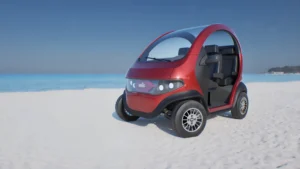
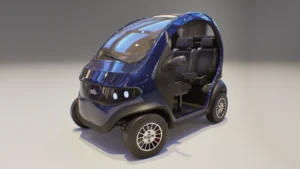
Battery Electric Vehicles (BEVs) run entirely on electricity stored in batteries. They have no internal combustion engine and produce zero emissions. Examples include the BEZcar, Tesla Model S, Nissan Leaf, and Chevrolet Bolt.
Plug-in Hybrid Electric Vehicles (PHEVs)
PHEVs combine an electric motor with a gasoline engine, allowing for electric-only travel for a limited range before switching to gasoline. Examples include the Chevrolet Volt and Toyota Prius Prime.
Hybrid Electric Vehicles (HEVs)
HEVs use both an electric motor and a gasoline engine. Unlike PHEVs, they cannot be plugged in to recharge; instead, they charge through regenerative braking and the engine. Examples include the Toyota Prius and Honda Accord Hybrid.
Fuel Cell Electric Vehicles (FCEVs)
FCEVs generate electricity through a chemical reaction between hydrogen and oxygen, emitting only water vapor. They offer longer ranges and faster refueling times than BEVs. Examples include the Toyota Mirai and Hyundai Nexo.
Technical Specifications
Battery Technology
Modern EVs use lithium-ion batteries for high energy density and longevity. Advances in solid-state batteries promise even better performance.
Charging Infrastructure
EV charging includes Level 1 (household), Level 2 (240V), and Level 3 (DC fast charging). Networks like Tesla Superchargers and Charge Point support growing demand.
Motor and Powertrain
EVs use efficient electric motors, offering instant torque and requiring less maintenance. They deliver smooth acceleration.
Range and Performance
Modern EVs offer ranges of 200-400 miles per charge, with high performance, such as the Tesla Model S Plaid’s 0-60 mph in under 2 seconds.
Applications:
- Personal Transportation: EVs like the Tesla Model 3 and Nissan Leaf are popular for daily use.
- Commercial Use: Companies are adopting electric trucks and vans for logistics.
- Public Transportation: Cities are integrating electric buses and taxis to reduce emissions.
Benefits
Environmental Impact
Electric cars produce zero tailpipe emissions, reducing air pollution and greenhouse gases. As the grid shifts to renewable energy, their environmental benefits will grow.
Economic Advantages
EVs have lower fuel and maintenance costs compared to gasoline vehicles. Government incentives further reduce purchase costs, making them more affordable.
Energy Efficiency
EVs are highly energy-efficient, converting more battery power to motion, minimizing energy loss, and enhancing sustainability.
Health Benefits
By lowering air pollution, EVs improve public health by reducing pollutants that cause respiratory and cardiovascular diseases.
Latest Innovations
Advancements in Battery Technology
Significant advancements are being made in battery technology, including the development of solid-state batteries, which promise higher energy density, faster charging times, and improved safety. Research is also focused on increasing battery longevity and reducing costs.
Smart Charging Solutions
Smart charging solutions are being developed to optimize energy use and integrate with renewable energy sources. These solutions can manage charging based on energy availability and grid demand, helping to stabilize the grid and reduce costs.
Vehicle-to-Grid (V2G) Technology
Vehicle-to-Grid (V2G) technology allows electric vehicles to feed energy back into the grid, helping to balance supply and demand. This technology can provide additional income for EV owners and support the integration of renewable energy sources.
Personal Stories or Case Studies
Real-Life EV Owners
Many EV owners are satisfied with their choice, appreciating the environmental benefits, lower costs, and enjoyable driving. Their experiences offer valuable insights for potential buyers.
Case Studies
Cities and companies adopting EVs highlight practical benefits and challenges, providing lessons on transitioning to electric transportation.
Innovative Uses of EVs
EVs are increasingly used in ride-sharing, last-mile delivery, and mobile power supply, showcasing their versatility and potential.
Comparative Analysis of Electric cars
Electric vs. Internal Combustion Engine Vehicles
Electric vehicles have lower emissions, reduced operating costs, and a smoother ride compared to internal combustion engine vehicles. However, they face challenges like limited range and longer refueling times.
Electric vs. Hydrogen Vehicles
Both offer zero-emission driving, but EVs have better infrastructure and lower costs, while hydrogen vehicles provide faster refueling and longer ranges.
Electric vs. Hybrid Vehicles
Hybrids combine a gasoline engine with an electric motor, offering improved fuel efficiency and lower emissions but not the full benefits of EVs.
EVs from Different Manufacturers
Major EV makers like Tesla, Nissan, Chevrolet, and BMW offer diverse models with various features and performance levels.
User Guides or Tutorials of Electric cars
Choosing the Right EV
Consider factors like range, charging options, budget, and local infrastructure. Check for available incentives.
Charging Your EV
Charge at home with a standard outlet or dedicated charger, or use public charging stations. Know the different charger types and how to use them.

Maintaining Your EV
EV maintenance is simpler with fewer moving parts. Focus on battery, tires, brakes, and cooling system.
Maximizing Range and Efficiency of Electric cars
Improve range by accelerating gently, maintaining a steady speed, and using regenerative braking.
Future of Electric cars
Electric cars are a key part of the future of transportation, offering numerous benefits in terms of environmental sustainability, economic efficiency, and public health. While there are challenges to overcome, such as battery disposal and infrastructure development, the continued advancement of technology and supportive policies are driving the growth of the electric vehicle market. As consumers and businesses increasingly embrace electric mobility, the future of transportation looks bright, clean, and electric.