
Introduction to Urban Mobility
Urban mobility refers to the movement of people and goods within city environments. It encompasses various modes of transportation, including public transit, private vehicles, cycling, walking, and emerging micromobility solutions like electric scooters and bikes. Efficient urban mobility is crucial for economic productivity, quality of life, and environmental sustainability. However, cities worldwide face significant challenges, including congestion, pollution, and inadequate infrastructure.
Key Trends in Urban Mobility
The Rise of Micromobility
Micromobility solutions, such as electric scooters and bikes, have gained popularity due to their convenience, affordability, and eco-friendliness. These compact vehicles are ideal for short trips, reducing reliance on cars and alleviating traffic congestion.
Integration of Public Transport with New Mobility Services
Modern urban mobility emphasizes seamless integration between traditional public transport and new mobility services like ride-sharing, car-sharing, and bike-sharing. This multimodal approach enhances convenience and flexibility for urban commuters.
Growth of Ride-Sharing and Car-Sharing
Ride-sharing and car-sharing services, like Uber, Lyft, and Zipcar, offer flexible, cost-effective alternatives to car ownership. These services reduce the number of vehicles on the road, easing congestion and lowering emissions.
Technological Innovations Shaping Urban Mobility
Electric Vehicles (EVs)
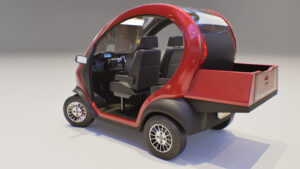
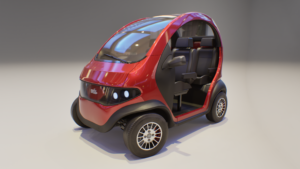
The adoption of electric vehicles is a cornerstone of sustainable urban mobility. EVs reduce greenhouse gas emissions and reliance on fossil fuels. Advances in battery technology and charging infrastructure are making EVs more accessible and practical for urban use.
Autonomous Vehicles (AVs)
Autonomous vehicles promise to revolutionize urban transportation by enhancing safety, reducing traffic, and providing mobility solutions for people unable to drive. While fully autonomous vehicles are still in development, pilot projects are underway in several cities.
Connected and Smart Transportation Systems
The integration of Internet of Things (IoT) technology with transportation infrastructure enables smart transportation systems. These systems optimize traffic flow, improve public transit efficiency, and enhance road safety through real-time data collection and analysis.
Sustainable Urban Mobility Solutions

Importance of Sustainability
Sustainable urban mobility focuses on reducing the environmental impact of transportation. This involves promoting energy-efficient modes, reducing emissions, and enhancing the overall quality of urban life.
Promoting Cycling and Walking
Cities are investing in infrastructure to make cycling and walking safer and more attractive. Dedicated bike lanes, pedestrian zones, and bike-sharing programs encourage residents to choose active, zero-emission transportation options.
Development of Green Public Transport
Green public transport solutions, such as electric buses and trams, reduce the carbon footprint of urban transit systems. Cities are also exploring hydrogen fuel cells and other renewable energy sources to power public transportation.
The Role of Infrastructure in Urban Mobility
Building Smart Cities
Smart cities leverage technology to enhance urban living. This includes smart transportation systems, efficient energy management, and integrated data platforms that support real-time decision-making.
Importance of Multimodal Transport Hubs
Multimodal transport hubs facilitate seamless transitions between different transportation modes. These hubs enhance connectivity, reduce travel times, and improve the overall efficiency of urban mobility networks.
Investment in Digital Infrastructure
Digital infrastructure, such as high-speed internet and IoT networks, supports the development of smart transportation systems. Investments in digital infrastructure enable real-time traffic management, predictive maintenance, and enhanced passenger experiences.
Case Studies of Innovative Urban Mobility Projects
Amsterdam’s Cycling Infrastructure
Amsterdam is renowned for its extensive cycling infrastructure, which includes dedicated bike lanes, bike parking facilities, and a bike-sharing program. This infrastructure has made cycling a primary mode of transportation for many residents.
Singapore’s Smart City Initiatives
Singapore’s smart city initiatives integrate technology with urban planning. The city’s smart transportation system uses real-time data to optimize traffic flow and public transit efficiency, enhancing overall mobility.
New York City’s Vision Zero Project
New York City’s Vision Zero project aims to eliminate traffic fatalities and serious injuries. The project includes measures such as redesigning streets, lowering speed limits, and increasing enforcement to improve road safety.
Future Predictions for Urban Mobility
Impact of AI and Big Data
Artificial intelligence (AI) and big data will play significant roles in future urban mobility. AI can optimize traffic management, while big data provides insights into transportation patterns, enabling more efficient planning and operations.
The Potential of Flying Taxis and Hyperloops
Innovative transportation concepts like flying taxis and hyperloops could revolutionize urban mobility. While still in early development, these technologies promise to reduce travel times and ease congestion in the long term.
The Shift Towards Mobility as a Service (MaaS)
Mobility as a Service (MaaS) integrates various transportation services into a single platform, offering users convenient access to different modes of transportation. MaaS promotes a shift from car ownership to shared mobility solutions.
FAQs
What is urban mobility?
Urban mobility refers to the movement of people and goods within urban areas, encompassing various transportation modes such as public transit, private vehicles, cycling, and walking.
How does micromobility contribute to urban transportation?
Micromobility solutions like electric scooters and bikes offer convenient, affordable, and eco-friendly transportation options for short trips, reducing reliance on cars and easing congestion.
What are the benefits of autonomous vehicles in cities?
Autonomous vehicles enhance safety, reduce traffic congestion, and provide mobility solutions for people unable to drive. They also optimize transportation efficiency through real-time data analysis.
How can cities promote sustainable transportation?
Cities can promote sustainable transportation by investing in green public transport, developing cycling and walking infrastructure, and encouraging the adoption of electric vehicles.
What future technologies will impact urban mobility?
Future technologies like AI, big data, flying taxis, hyperloops, and Mobility as a Service (MaaS) platforms will significantly impact urban mobility, enhancing efficiency, sustainability, and convenience.